
The smoke alarm rules in Queensland have been tightening for years and the final deadline is now close enough to start planning ahead. For many Brisbane homes there’s still a single old alarm in the hallway and a vague sense that something needs to change before 2027.
Clear information on what the law expects means safer families, better protected tenants and smoother property sales. Plenty of owners are wondering what are the new smoke alarm laws in Queensland and how they line up with the home they live in, rent out or plan to sell. Once the requirements are clear, it’s much easier to map out upgrades before the deadline.
New Smoke Alarm Laws In QLD At A Glance
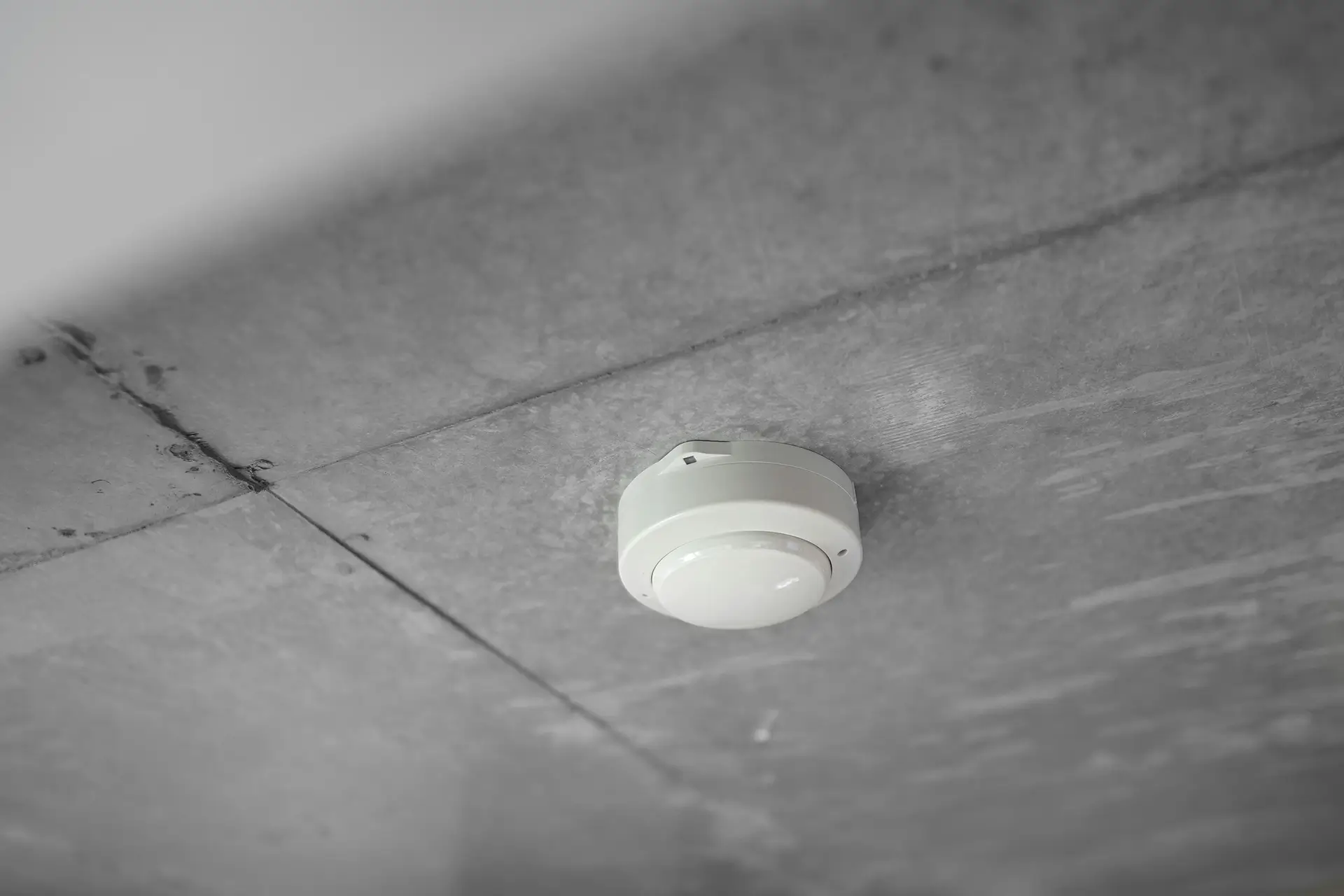
Queensland’s smoke alarm laws focus on giving people as much warning as possible if a fire starts. The rules set a clear standard for the type of alarm, how it’s powered, and where it goes in the home.
Under the new requirements smoke alarms must:
- Be photoelectric and comply with AS 3786:2014
- Be interconnected, so when one alarm activates, all alarms sound
- Be installed in every bedroom
- Be installed in hallways that connect bedrooms to the rest of the home
- Be installed on every storey, even if there are no bedrooms on that level
- Be hardwired to the mains with a backup battery, or use a sealed 10-year lithium battery
These requirements apply to:
- Stand alone houses
- Townhouses and terraces
- Units and apartments
- Duplexes and granny flats
From 1 January 2027, every existing home in these categories in Queensland must meet this standard.
If You Own And Live In The Property
Step 1: Check Your Current Alarms
Open each alarm and look for clear details:
- “Photoelectric” on the label
- A reference to AS 3786:2014
- A manufacture date less than ten years ago
Walk through the home and map where alarms sit. Every bedroom needs one. Hallways that link bedrooms need one. Each level of the home needs one along the path people use to get outside. If alarms don’t talk to each other, note that down as well.
Step 2: Decide On The Upgrade Plan
Think about how the home works day to day. Families with kids often sleep with doors closed. Multi storey homes and townhouses need strong coverage along the escape paths. A licensed electrician can recommend whether hardwired alarms, 10 year battery alarms, or a mix makes the most sense for your layout and switchboard. Staging work room by room or level by level can help fit the cost into a normal household budget.
Step 3: Book The Work Early
Booking ahead gives time to choose good quality alarms, plan neat cable runs and minimise disruption. Early upgrades also keep you clear of the late rush that tends to appear before major deadlines. A confirmed date on the calendar means you’re prepared well before the 2027 deadline.
Why Upgrading Early Helps
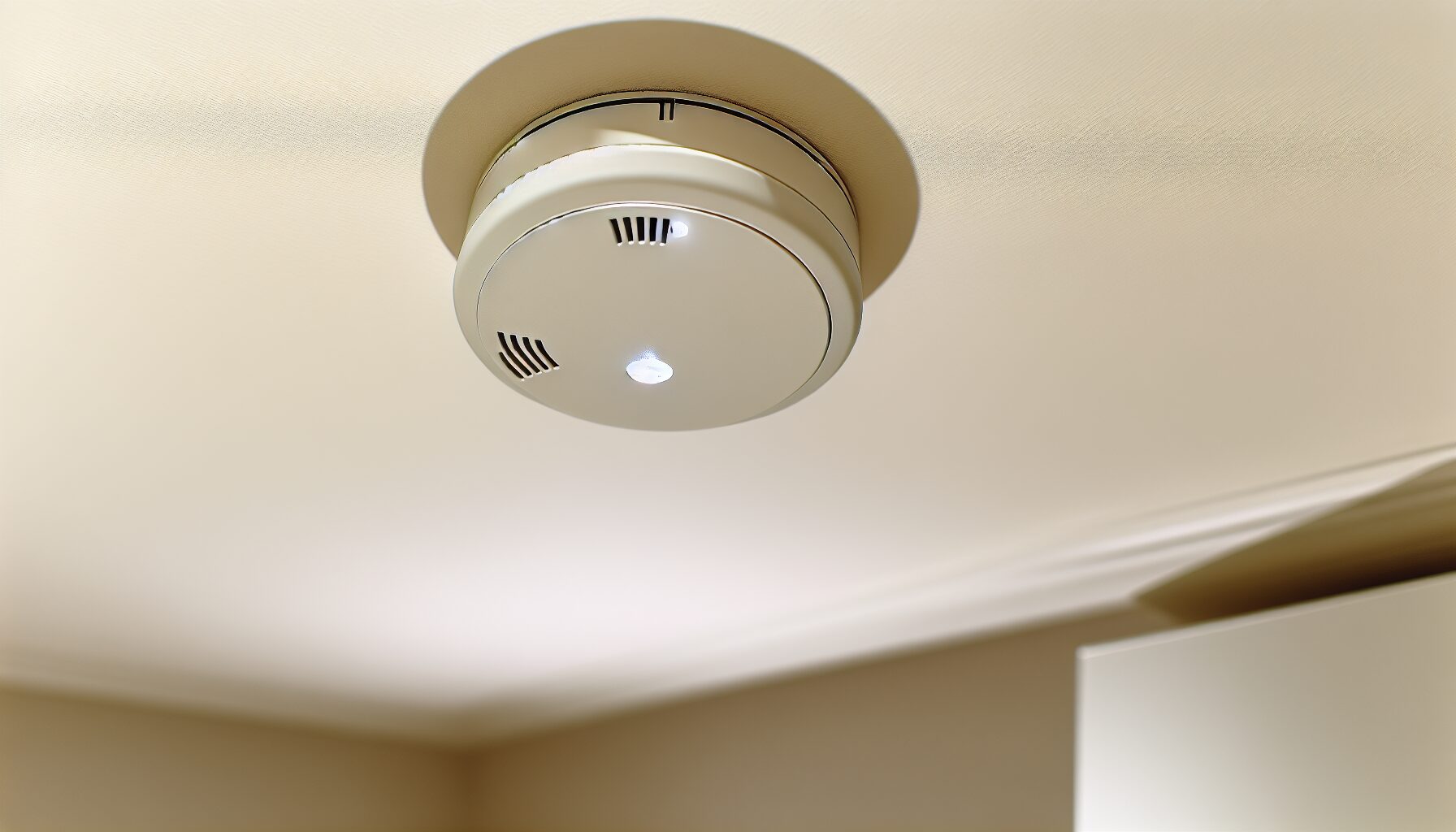
Upgrading smoke alarms before 2027 means quieter nights and less stress hanging over your head. Schedules stay calmer, product choice is wider, and any future sale or renovation has one important safety box already ticked. Families also get the benefit of stronger protection straight away, with alarms that respond the way current laws expect.
Landlords Or Property Managers
Rental properties in Queensland already need to meet the newer smoke alarm standard. Every rental should have photoelectric, interconnected alarms in the right places before a tenant moves in. Smoke alarms need to stay compliant for the life of the tenancy.
Know Your Ongoing Responsibilities
Owners and property managers need to:
- Keep alarms in good working order and within their ten year service life
- Make sure alarms are photoelectric and interconnected, not older ionisation models
- Test and clean alarms within 30 days before a new tenancy starts
- Arrange regular testing at least once every 12 months during a tenancy
Clear records help with insurance, agency compliance checks and any questions from tenants.
Make Compliance Part Of Routine Maintenance
Treat smoke alarm checks as a normal part of lease renewals and property inspections. Working with the same electrician for each property means fewer loose ends when tenants change or properties go on the market.
If You Are Planning To Sell Your Home
Selling in the next few years puts smoke alarms on the same list as basic repairs. In Queensland, contracts signed on or after 1 January 2022 need alarms that meet the newer standard before settlement, and sellers are expected to declare compliance on the Form 24 transfer document.
Get Sale Ready Early
A quick electrical check before listing can confirm alarm locations, replace outdated models and bring everything in line with the current rules. Building inspectors and buyers now pay close attention to smoke alarms. It makes sense to tidy this up before the ‘For Sale’ sign goes up.
Make Documentation Easy
An electrician can provide invoices and compliance notes that your agent or conveyancer can keep on file. Clear paperwork keeps questions from buyers short and simple and helps settlement move along without drama.
Smoke Alarm Rules For Caravans And Motorhomes
Plenty of Queenslanders sleep in caravans and motorhomes, either on trips or parked at home as spare rooms. That means smoke alarms are as important as inside a stationary house.
Treat Moveable Dwellings Like Small Homes
Any space where people sleep needs a working smoke alarm. A caravan or motorhome benefits from a quality photoelectric alarm on the ceiling, away from the air conditioner outlet and windows that stay open for ventilation. A single alarm can cover a small van. Larger layouts may need more than one.
Regular testing and battery checks keep alarms ready to go. Owners who register or transfer registration in Queensland should also check the latest government requirements for smoke alarms in moveable dwellings and line that up with their upgrade plans.
Upgrade Your Smoke Alarms In Queensland
Clear smoke alarm rules give every home a simple way to protect the people who sleep there, keep sales and tenancies moving smoothly, and line the property up with Queensland law. Once alarms are in the right spots and working together, warnings will sound if smoke is detected.
Complete Electrical & Air can check your current alarms, design a compliant layout for the whole property, and complete the installation so everything’s tested and documented properly. The team works across Brisbane homes every week and brings practical experience to every job.
To organise a fast, obligation free quote, reach out through the Complete Electrical & Air contact page.
New Smoke Alarm Laws FAQs
What Are The Key Changes To Smoke Alarm Laws QLD?
The key changes to smoke alarm laws QLD arrived in stages. New builds and major renovations moved first, then rentals and properties for sale, and by 1 January 2027 every owner occupied home, unit, caravan and motorhome in Queensland needs compliant photoelectric, interconnected alarms in the correct locations.
How Often Should Smoke Alarms Be Replaced?
Most smoke alarms need replacing after ten years, or sooner if they fail tests, show damage or trigger false alarms regularly.
Do The New Rules Apply To Units And Townhouses?
The laws cover houses, townhouses, apartments and multi storey homes. Every dwelling needs alarms in each bedroom, in the connecting hallways and on every level that people use.
Can I Install Smoke Alarms Myself In Queensland?
You can replace battery powered alarms yourself if the new alarm sits in the same position and meets the current standard. Hardwired alarms and any change to fixed wiring must be carried out by a licensed electrician.